

Feature Exhibition "Yokai Exploration: The Mysterious World of “Mononoke”"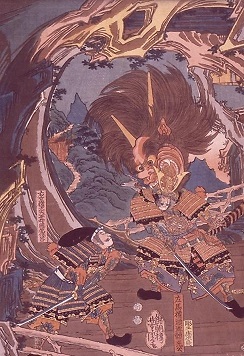
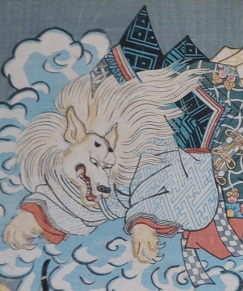
July 21st - August 28th (Open every day during the exhibition period)
We will look at how yokai and the otherworld have been expressed in literature, paintings, and other forms, from the Edo period to the present day. You will surely understand the extent of the influence yokai have had on Japanese culture. Please enjoy the world of yokai.
Feature Exhibition "Basho's World in Paintings: The Journey and Haikai of the Wandering Poet"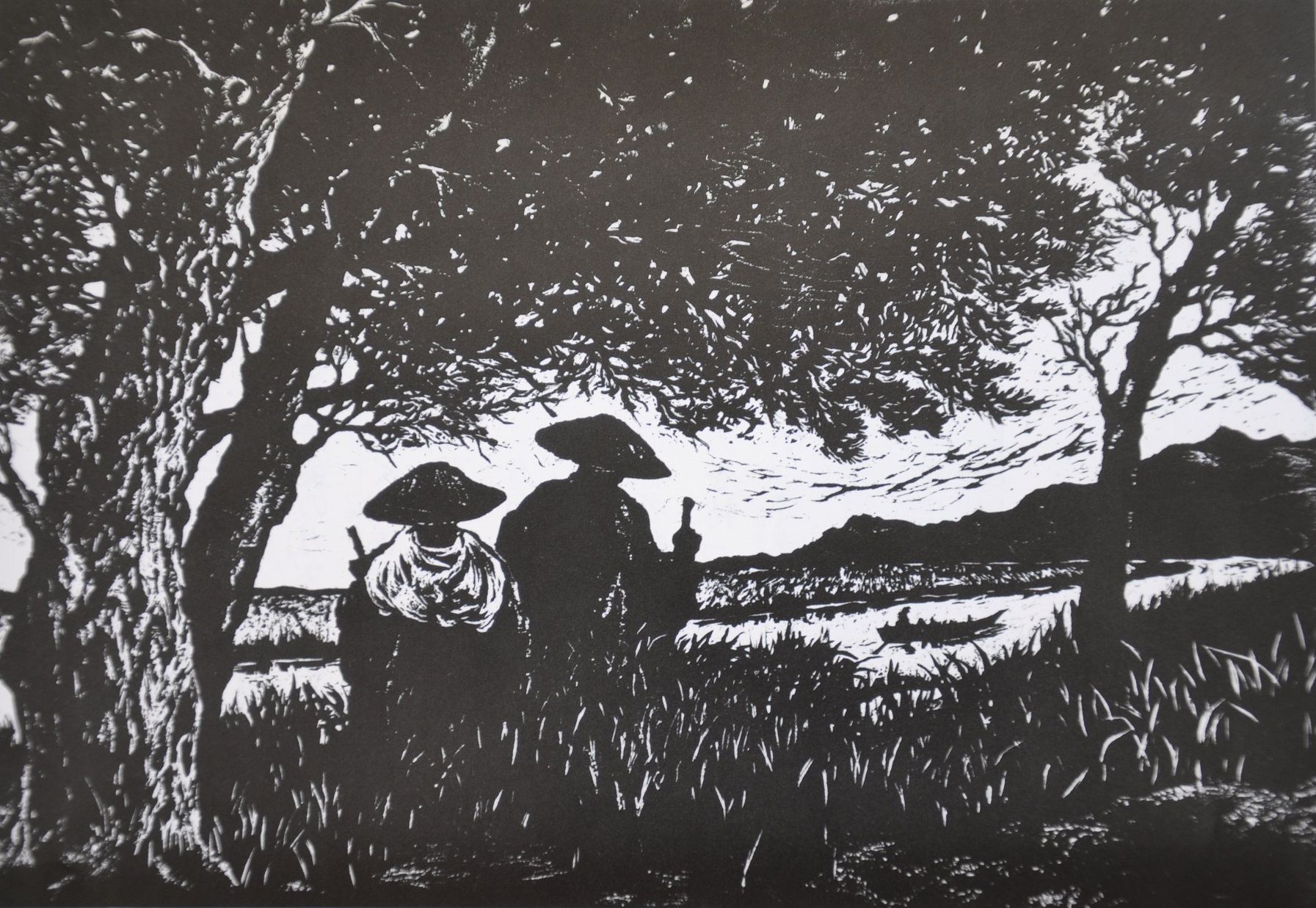
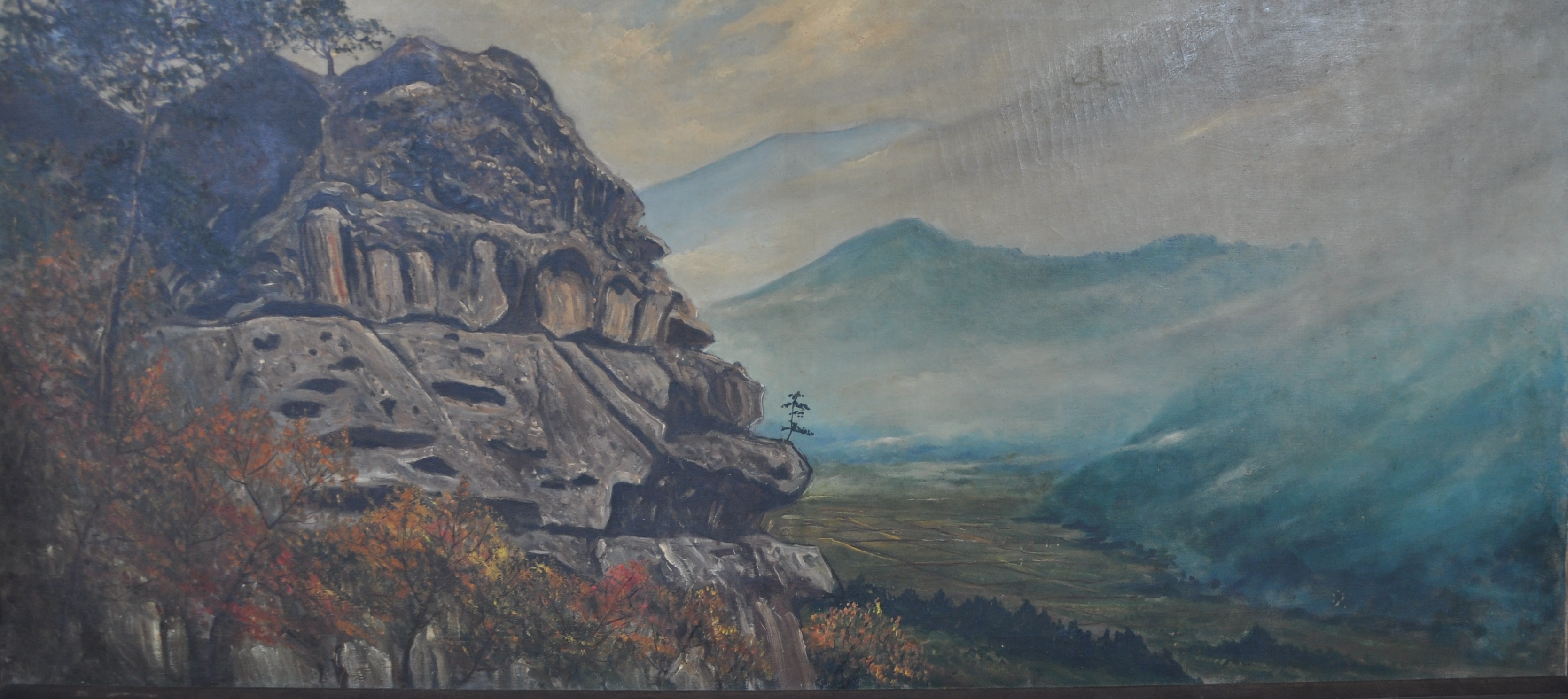
《"Journey to the Narrow Road to the Deep North"》 by Sakata San, 2014; 《Tenkagan (Heavenly Flower and Rocky Landscape)》 by Takahashi Genkichi, 1911
June 15th - July 17th (Open every day during the exhibition period)
The journeys and haikai of Matsuo Basho in the Edo period stimulated the creative drive of various authors in later generations and have been expressed in paintings and other forms. In this exhibition, we will display works depicting Basho's haiku and "Oku no Hosomichi" (The Narrow Road to the Deep North) as their themes. We hope that this will allow visitors to re-experience the landscapes and emotions of Basho's travels, reflect on his journeys, and enjoy the richly imaginative haikai of Basho.
Feature Exhibition "Basho and His Disciples"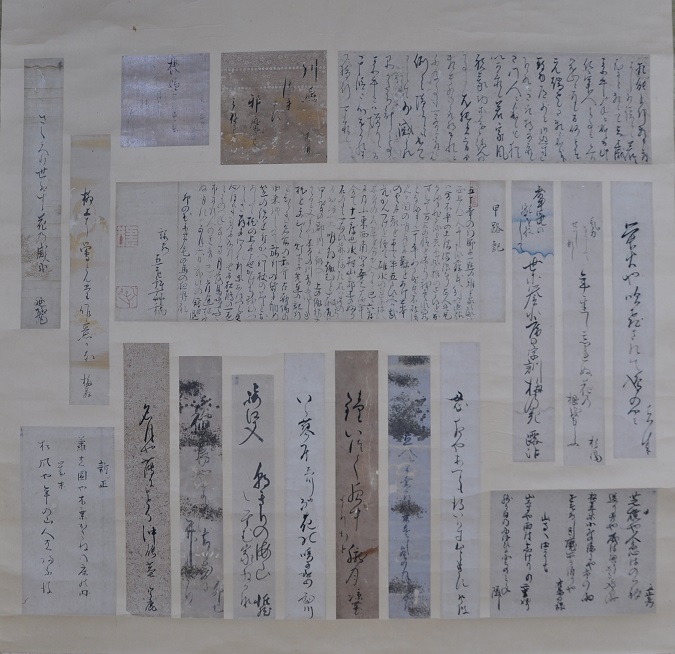
《Kakō (Basho's Letter to Kyorai and Others, Pasted on a Scroll)》 by Matsuo Basho et al.
April 14th - June 12th (Closed: May 31st)
In the early Edo period, soon after Basho emerged as a haikai master, he brought a new style to the Edo haikai world and significantly influenced the haikai of his time. Furthermore, Basho succeeded in elevating haikai, which was initially a linguistic game, to the realm of art.
This exhibition introduces Basho's haikai, as well as people around Basho, such as Kitamura Kigin, a haikai pioneer who influenced Basho, and his friend Sodo. We also explore the charm and influence of Edo haikai during Basho's active period by introducing works and letters from his disciples, known as the “Shomon,” who honed their skills together.
〈 Main Exhibited Materials 〉
City Cultural Property: 《"Haru mo Yaya" Hokku-gasen (Haiku with Painting and Calligraphy)》 Inscription by Matsuo Basho, painting by Morikawa Kyoroku
《Kakō (Basho's Letter to Kyorai and Others, Pasted on a Scroll)》 by Matsuo Basho et al.
《"Sanaezuki" Hokku-kaishi (Haiku on Decorative Paper)》 by Mikami Kakujō
《Tagonoura-zu (Painting of Tagonoura Bay)》 by Morikawa Kyoroku
Feature Exhibition "The Beauty of Hina Dolls― The Colors of 《Hina Matsuri (Doll Festival)》 Passed Down in Yamagata ―"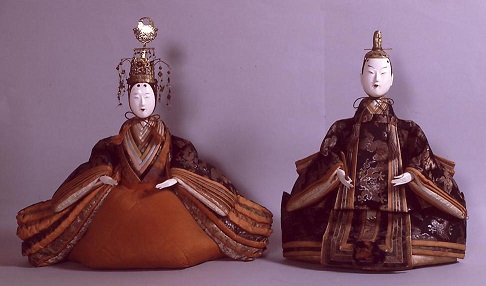
February 10th (Fri) - April 10th (Mon), Reiwa 5 (2023) 〔Open every day during the exhibition period〕
The custom of displaying Hina dolls on the March 3rd festival originated in the Edo period, and this tradition continues to this day.
Over time, these Hina dolls have become more elaborate in their attire and more realistic in their expressions, with their designs constantly evolving.
The Hina dolls of Yamagata were one of the vibrant cultural elements brought from Kyoto and Edo by wealthy merchants who prospered through safflower trade, utilizing Japan Sea shipping and Mogami River navigation.
In this exhibition, we introduce the history and beauty of Hina Matsuri, a traditional Japanese culture, along with Hina dolls and decorations for the Peach Festival passed down through old families in Yamagata. We hope this will be an opportunity for you to appreciate these valuable and historic works.
Commemorating the 120th Anniversary of Masaoka Shiki's Death
Feature Exhibition "Modern and Contemporary Haiku from Shiki"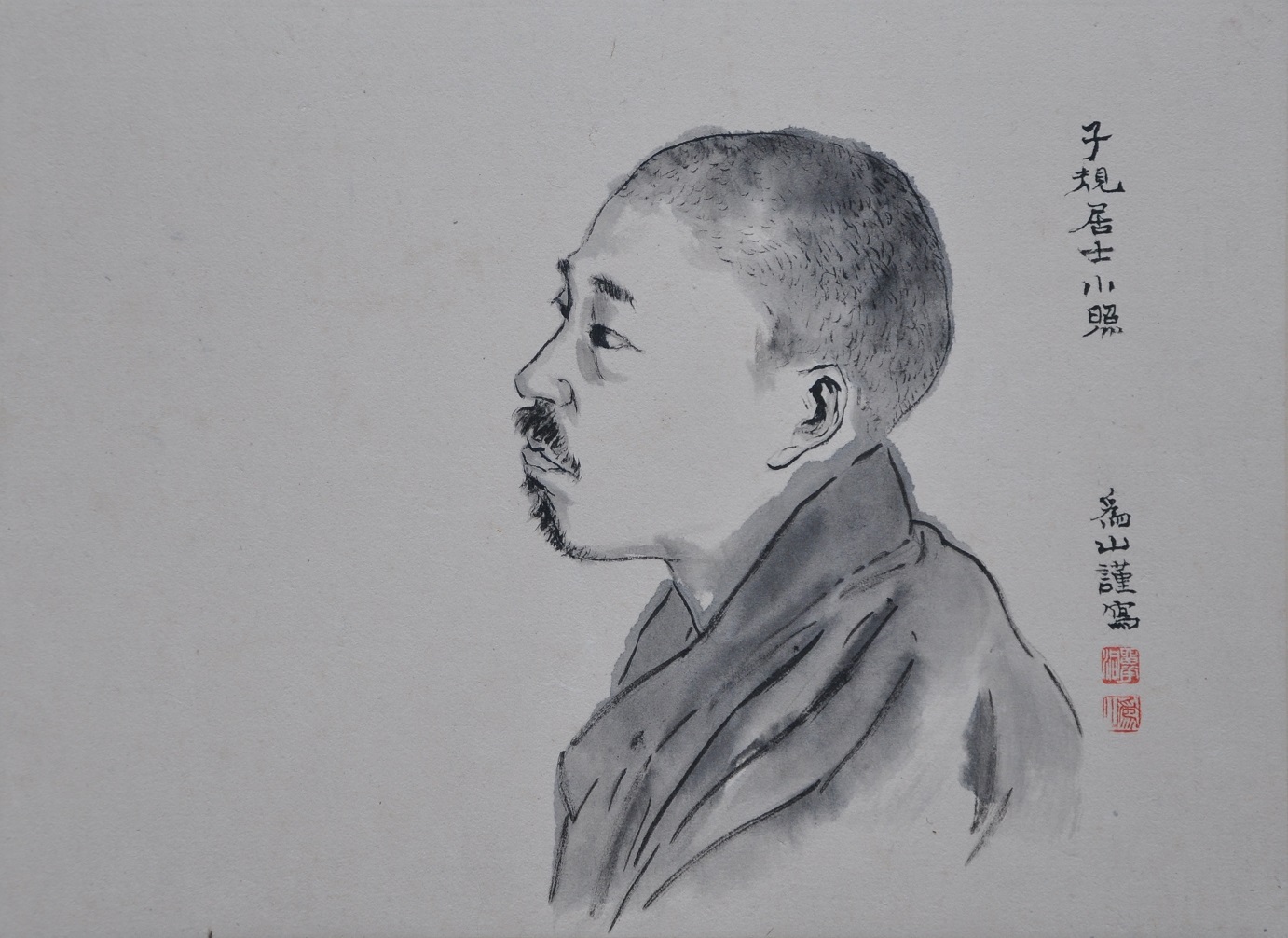
November 26th (Sat), Reiwa 4 (2022) - February 6th (Mon), Reiwa 5 (2023)
〔Closed during the exhibition period: Wednesdays from December onwards, December 29th - January 4th〕
Masaoka Shiki achieved the objective expression of “shasei” (sketching from life) in haiku composition, leading to the rise of the Japan School's haiku reform movement. Shiki's activities breathed new life into haikai literature and laid the foundation for modern and contemporary haiku that continues to this day. This exhibition introduces Masaoka Shiki, as well as famous haiku poets from the nascent period of modern haiku and the charm of contemporary haiku, including Takahama Kyoshi and Kawahigashi Hekigodo, who played a part in the haiku reform movement.
Special Exhibition "The Beauty of Edo Paintings― From Painters to Literati and Artists, Their Tastes and Charms ―"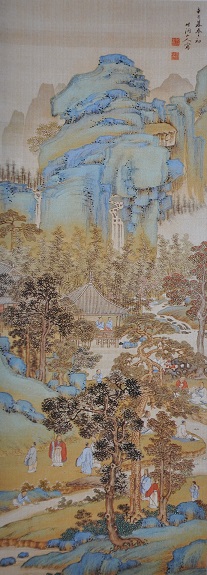
October 7th (Fri) - November 23rd (Wed/Holiday), Reiwa 4 (2022) 〔Open every day during the exhibition period〕
In the Edo period, in the world of painting, the Kano school, which had boasted influence since the Muromachi period, underwent a transformation from its traditional opulent Momoyama painting style to the refined and understated Edo Kano style, adapting to the shift from martial rule to civilian rule. Meanwhile, other artists began to incorporate free methods of expression, creating works with a new sensibility. Furthermore, it became common for people other than professional painters to create art, with many paintings in the genre known as Bunjinga (literati painting) created by scholars and others. The haiku poet Matsuo Basho also interacted with Kano school-trained painters, learned painting techniques, and left behind tasteful art pieces.
This exhibition introduces various paintings by Edo period painters, literati, and haiku poets. Through these works, we hope you will experience the beauty and charm of Edo paintings.
Feature Exhibition "Yokai and Mononoke: Past and Present —Exploring the Otherworld, from Oni Extermination Legends to Sorcerers ―"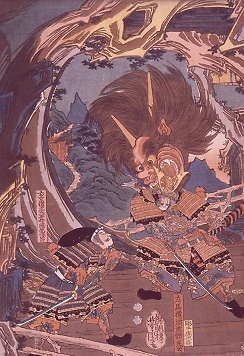
July 23rd (Sat) - August 30th (Tue), Reiwa 4 (2022) 〔Open every day during the exhibition period〕
From ancient times, yokai have been featured in various literary and art works. Matsuo Basho also mentioned the Sessho-seki (Killing Stone) of the yokai “Nine-Tailed Fox” in his travelogue "Oku no Hosomichi."
This exhibition showcases yokai paintings and sculptural works from the early Edo period to the present day, exploring how yokai have been passed down and expressed within Japanese culture.
Special Exhibition "Sakata San's 'Oku no Hosomichi' Woodblock Print Exhibition"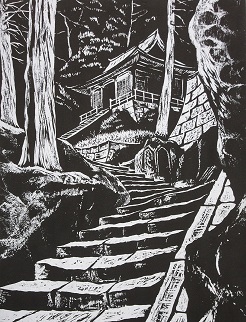
June 3rd (Fri) - July 19th (Tue), Reiwa 4 (2022) 〔Closed during the exhibition period: June 8th (Wed)〕
The printmaker Sakata San spent 30 years, from 1990 (Heisei 2) to 2020, creating 63 woodblock prints for "Oku no Hosomichi." Last year, Mr. Sakata San generously donated these 63 prints to the Yamadera Basho Memorial Museum. This exhibition is being held to commemorate that donation. Mr. Sakata San's series of prints began with his departure from Yamadera, Yamagata City, and Mr. Sakata himself states that Yamadera is the origin of his "Oku no Hosomichi." Since then, Mr. Sakata has continued his "Oku no Hosomichi solo journey," dedicating himself to expressing Basho's haiku through black and white woodblock prints.
Through these prints, which visualize the scenes and emotions Basho witnessed 329 years ago, we invite you to re-experience Basho's journey on "Oku no Hosomichi" and appreciate the charm of woodblock print expression.